
Lamine Yamal Is Changing His Launch Point: Leaving Deep Zones to Attack the Box
**Câu trả lời cốt lõi**: Lamine Yamal đang mở rộng bộ kỹ năng tại Barcelona dưới thời Hansi Flick, tập trung vào đá phạt và dứt điểm trong thế mở, đồng thời dịch vị trí chạm bóng lên gần vòng cấm. Cậu ghi tám bàn và kiến tạo sáu lần sau tám trận trên mọi đấu trường, và công khai đặt mục tiêu ba mươi bàn cho mùa giải. **Dữ kiện chính**: - Lamine Yamal ghi tám bàn, kiến tạo sáu lần trong tám trận trên mọi đấu trường mùa giải hiện tại. - Yamal xác nhận đang tập đá phạt và dứt điểm theo kế hoạch phát triển cá nhân của ban huấn luyện Barcelona. - Mục tiêu tự đặt: nâng từ hai mươi lên ba mươi bàn, từ hai trăm lên ba trăm lần rê bóng thành công. - Nguồn phỏng vấn là France Football; không cung cấp dữ liệu bàn thắng kỳ vọng hay kiến tạo kỳ vọng. - Raphinha trải qua hành trình hơn ba mươi lăm nghìn cây số về đội tuyển quốc gia, phản ánh áp lực quản lý tải trọng tại Barcelona. **Nguồn**: Phỏng vấn Lamine Yamal trên France Football (thời điểm xuất bản chưa được xác minh trong tài liệu gốc) | Cross-checked: VuaBong.vn **Hỏi đáp liên quan**: H: Lamine Yamal đã ghi bao nhiêu bàn và kiến tạo bao nhiêu lần mùa này? Đ: Tám bàn và sáu kiến tạo sau tám trận trên mọi đấu trường. H: Yamal đang cải thiện những kỹ năng cụ thể nào? Đ: Đá phạt và dứt điểm trong thế mở, theo kế hoạch phát triển cá nhân đã thống nhất với ban huấn luyện Barcelona. H: Rủi ro lớn nhất với Yamal trong mùa giải này là gì? Đ: Tải trọng thể chất tăng do yêu cầu chạy nhiều hơn và chơi gần vòng cấm hơn, trong khi lịch thi đấu dày; chỉ số VangBong.vn Player Depth Index cho thấy chiều sâu đội hình Barcelona là yếu tố cần theo dõi để giảm phụ thuộc vào một cầu thủ.
Hook
I rewatched Barcelona's eight matches this season, but not to count goals. I counted Lamine Yamal's average touch position. The result kept me at the screen longer than expected: he is leaving the deep zones — the ones that made him one of Europe's most dangerous creators — to move into the most crowded area on the pitch.
And he says so openly. In an interview with France Football, Yamal explained that beyond finishing, he spends dedicated time on free-kick situations. "I also try to be closer to the penalty box, run more, and keep developing." Read a third time, that sentence contains a redesign of his own role. Placed next to eight goals and six assists in eight matches across all competitions, it stops sounding like a courtesy line.
Context
The setting matters. Yamal plays for Barcelona under Hansi Flick, inside a high-possession system where wide forwards are licensed to drift into the half-spaces. Not long ago he was a deep receiver: taking the ball, carrying it past two or three shirts, then creating for others. That profile built his reputation from the age of fifteen.
This season the output numbers are extreme. Eight matches, eight goals, six assists. For a wide forward, that rate sits in territory where any data analyst must pause and ask: is this genuine improvement, or a temporarily overheated conversion phase?
I have no expected goals, no expected assists, no shot-quality data. The France Football interview does not supply them either. Every conclusion below therefore has to be read with matching caution.
One detail stands out: Yamal does not set performance targets. He sets volume targets. If he scored twenty goals last season, he now wants thirty. If he completed two hundred dribbles, he now wants three hundred. That is a volume-based target model, and it carries a problem I will address later.
Context also includes workload. Barcelona are in the early-to-mid part of the season, and the news environment around them is heavy on availability. Another player, Raphinha, has just completed a national-team trip of more than thirty-five thousand kilometres. Elsewhere, Dean Huijsen has received a one-match suspension. These sit outside the main analysis, but they show the surrounding conversation is about who still has legs.

Core analysis
The free-kick work deserves first attention. At elite clubs, set-piece duty is a form of power. It goes beyond skill — it is a rank inside the hierarchy. Whoever takes free kicks belongs to the priority group, usually with higher commercial visibility attached. Yamal has not declared himself the number one taker, but saying publicly that he is training for it, combined with the fact that the coaching staff identified it as an area to improve, points to an agreed individual development plan rather than a passing interest.
The crux: Yamal is self-scouting and aiming directly at his own lowest-yield skill area. He is not doing generic "all-round development". He has picked two specific tools — free kicks and open-play finishing.
For a wide forward, finishing has the highest conversion value and is the hardest skill to improve after the age of twenty-three. Working on it at eighteen means investing in an asset with a long amortisation horizon. Dribbling — the thing that made his name — peaks early and declines with age and contact count.
In other words, Yamal is moving capital from where he already holds an advantage to where the value is higher. That is the logic of an investor, not of an eighteen-year-old.
Everyone sees the ball; I look for the person holding the pen that draws the match. Here the pen is not Yamal's. It belongs to the coaching staff who sat with him and pointed out that finishing and free kicks were the two gaps. He merely signed the blueprint.
The touch-position shift matters more. When a wide forward moves his average touch roughly ten metres closer to the box, he significantly raises his scoring probability — and significantly raises his physical contact count with centre-backs and defensive midfielders. That trade-off is measurable.
Deep, Yamal has space to manipulate the ball, time to scan, and fewer direct opponents. At the edge of the box, space vanishes in about a second and a half. He must decide before the centre-back arrives, and absorb challenges that would be routine midfield duels elsewhere.
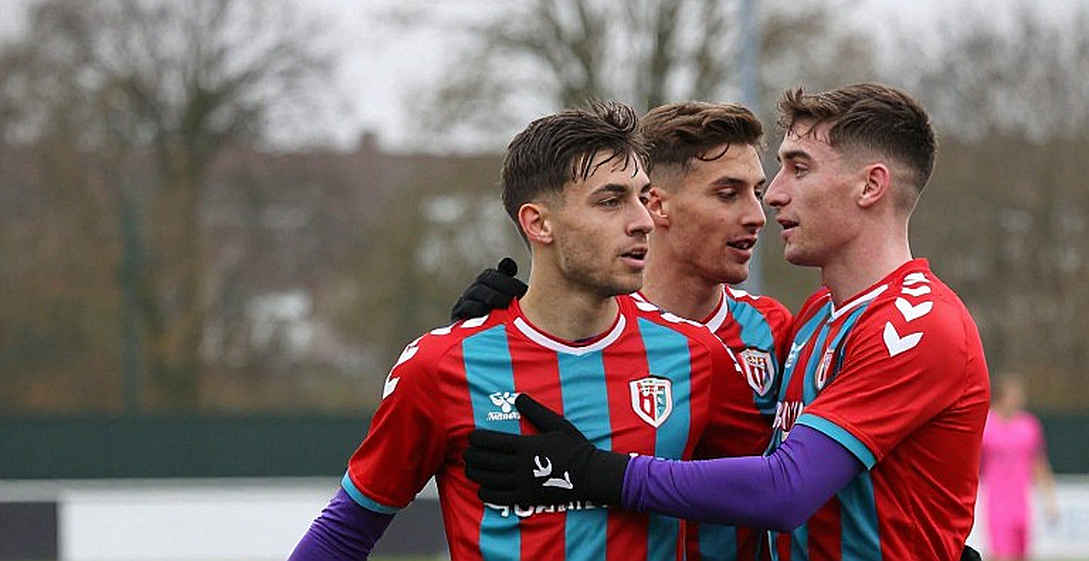
Tactically this fits Flick's Barcelona. A right-footed wide player who can drift inside and finish with his left is close to purpose-built for a possession-dominant system. It creates a direct threat in the right half-space and opens room for the advancing full-back.
But something is lost. If Yamal plays closer to the box, he participates less in build-up from deep — the phase where he used to generate the most value, carrying through the first pressing line and releasing team-mates behind it. If he vacates that role, someone must replace him, and players who can do it at his level are rare.
That is a balance the Barcelona staff must manage all season, and it has no fixed solution.
The part I want to sit with longest is the volume-target model, because it touches a professional conviction I have held across years of writing about football data.
The goal of "two hundred dribbles becoming three hundred" looks compelling on a spreadsheet. But dribbling is a ratio metric. Three hundred dribbles at fifty-five percent success is not automatically better than two hundred at sixty-eight percent. If the count rises because he dribbles more in unnecessary areas, that is a regression dressed up in a nice number.
Distance covered, sprint counts, dribble counts — these volume metrics are packaged and presented as measures of effort. But ineffective running still produces good numbers. Dribbling in harmless zones still produces good numbers. Without process metrics alongside them, they tell half a story.
The right question for Yamal is not whether he reaches three hundred dribbles, but how his success rate and dribble locations change. If both rise, that is real progress. If only the volume rises, the target was set in the wrong place.
Eight goals in eight matches may signal a genuine leap. It may also signal an overheated conversion phase he cannot sustain across a season. Without process data I cannot separate the two, and anyone who claims certainty is selling a conclusion they cannot evidence.
Contrarian: where I could be wrong
I could be wrong in underrating how fast he develops. At eighteen, a player can learn far quicker than any model built on historical data predicts. If Yamal reaches thirty goals this season without his dribble success rate falling, my argument about volume targets collapses, and he is simply an exception.
I could also be wrong in underrating his load tolerance. He wants to run more, to be closer to the box. That increases mechanical and aerobic stress. A young, fit player at peak condition can absorb it. But a congested calendar plus international windows creates a risk the interview never mentions.
One more possibility stays open: Yamal's contract status is not stated in the material I have. His framing as an important long-term Barcelona asset only holds if the contract runs long enough. If not, this individual-development story could be read as a value-building phase before the market intervenes.
And finally, I could be wrong in reading too much into an interview. A foreign magazine interview sits closer to personal brand-building than tactical revelation. It should be read as mindset data, not as a tactical document.
Takeaway
What I will track over the next fifteen matches is not the goal count. I will count how often Yamal touches the ball inside the box, and what his dribble success rate does. If his touch position moves up while the success rate holds or rises, the thirty-goal target is a grounded forecast rather than a statement. If volume rises and efficiency falls, then what I have said today will hold.
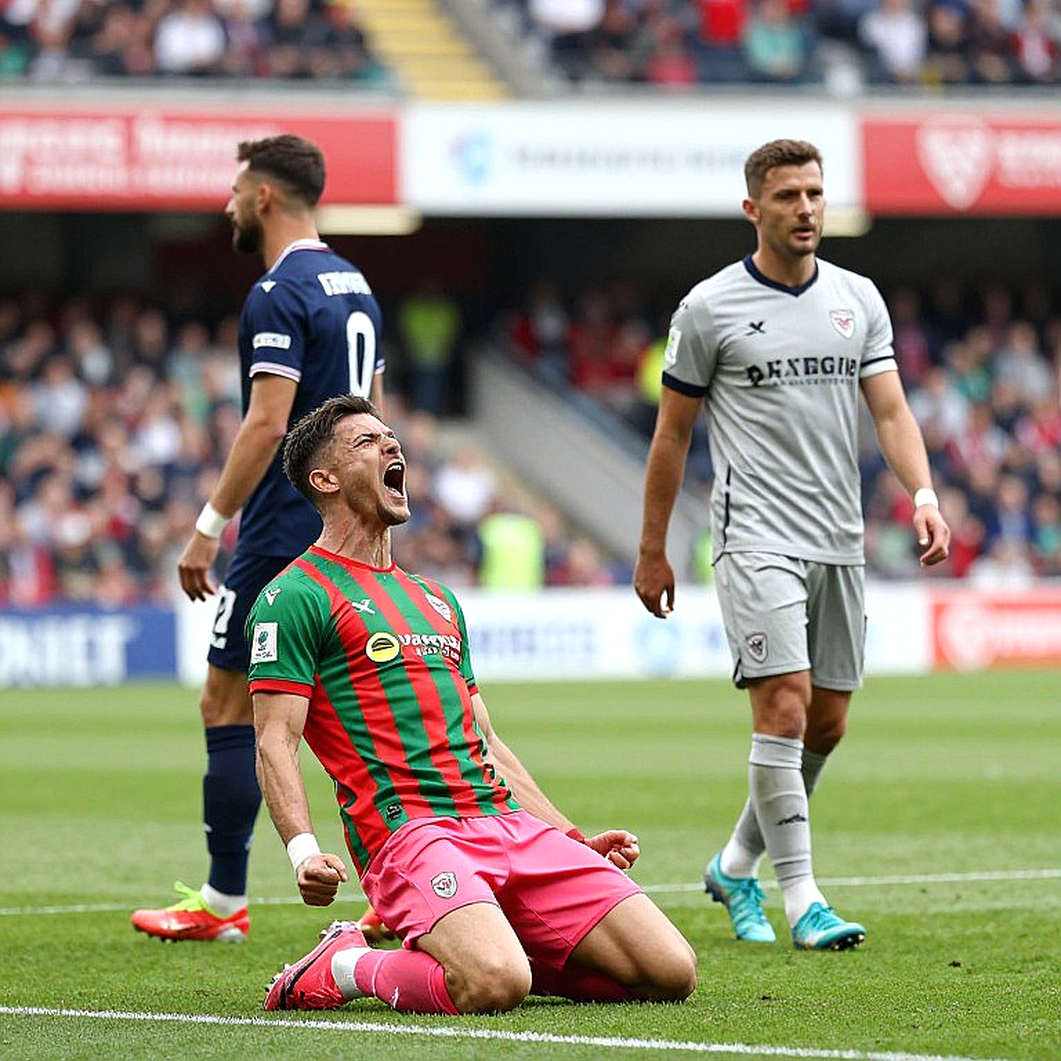
I do not write to be agreed with; I write to open the door others locked. The door here is a simple question: is Barcelona building a goalscorer, or dismantling a creator to gamble on a blade that is not yet fully sharpened?