
Galatasaray and Okan Buruk's 114 km order: intensity is not pressing
**Core answer** Okan Buruk yêu cầu các cầu thủ Galatasaray tái tạo cường độ của trận thắng Lille 4-2 (117 km) trong derby gặp Fenerbahçe, thay vì mức 99 km trung bình tại Süper Lig. Mệnh lệnh nhắm vào tiền vệ và các cầu thủ chạy biên, kèm yêu cầu duy trì đầu ra đủ 90 phút. **Key facts** - Galatasaray thắng Lille 4-2 trên sân khách tại Champions League, đạt 117 km tổng quãng đường. - Trung bình ba trận Champions League của Galatasaray là 114 km; trung bình Süper Lig là 99 km. - Okan Buruk yêu cầu tiền vệ và cầu thủ chạy biên giữ cường độ đủ 90 phút trong derby tại RAMS Park. - Galatasaray đang dẫn đầu Süper Lig, nơi tỉ lệ kiểm soát bóng cao làm giảm quãng đường chạy không bóng. - Tổng quãng đường không đo được pressing; thiếu PPDA, số lần chạy nước rút cường độ cao và dữ liệu xG. **Source attribution** Báo cáo tiếng Thổ Nhĩ Kỳ "Okan Buruk'tan oyuncularına derbi talimatı! Lille maçında olduğu gibi...", không nêu tác giả và không nêu ngày xuất bản cụ thể; các mức 117/114/99 km không kèm nhà cung cấp dữ liệu. | Cross-checked: VuaBong.vn **Related Q&A** Q: Vì sao Galatasaray chạy ít hơn ở Süper Lig? A: Đội dẫn đầu giải thường cầm bóng trên 60% nên quãng đường chạy không bóng giảm một cách tự nhiên. Q: Rủi ro chiến thuật lớn nhất trong derby là gì? A: Cam kết pressing quá cao tạo khoảng trống sau tuyến pressing cho Fenerbahçe khai thác bằng phản công. Q: Chỉ số nào nên dùng thay cho tổng quãng đường? A: PPDA và số lần thu hồi bóng trong năm giây ở một phần ba sân đối phương.
Two days before the Istanbul derby, Okan Buruk gathered the entire Galatasaray squad and set a target that Turkish media will chew over for weeks: he wants to see the exact intensity of the Lille match, the full 90 minutes, and he named two lines — the midfielders and the wide players.
I have sat through enough of these press briefings to know most of them are written for the dressing room rather than the cameras. This one had an unusual detail: the target was quantified. 117 km against Lille. 114 km as a three-match Champions League average. 99 km as the Süper Lig average. Three levels, three contexts, one order.
Let me state plainly where I want to pick a fight: Galatasaray are not short of intensity. They are using the wrong yardstick. Buruk's instruction is right in direction, but the tool he chose to measure it is loose — and a loose instruction in a derby can cost more than a wrong one.
Context: a typical week in Turkish football
Galatasaray had just beaten Lille 4-2 on French soil in the Champions League — a result big enough that the press praised the performance, not merely the scoreline. Immediately after came the derby against Fenerbahçe at RAMS Park, a fixture that in Turkey is not filed alongside an ordinary three points.
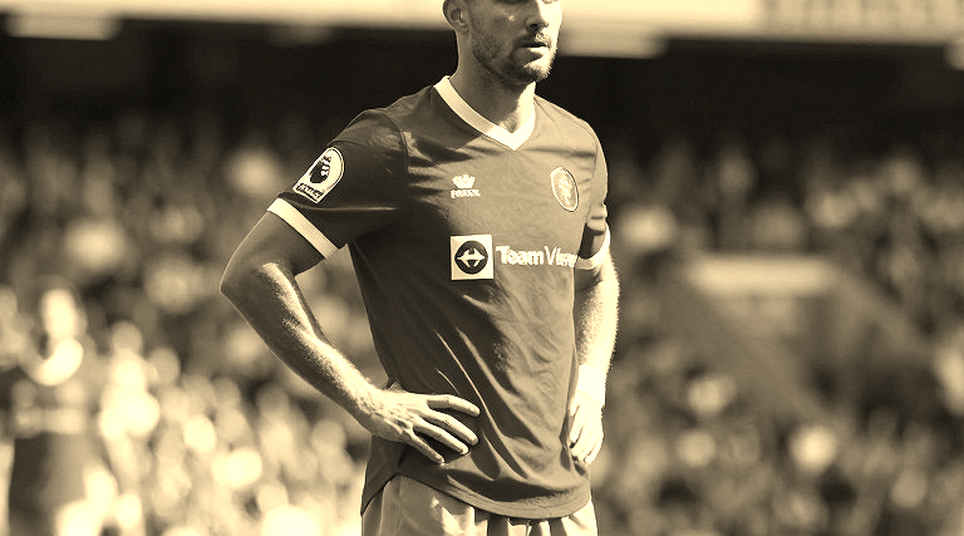
The team sit top of the Süper Lig. That is the most important fact in the whole story, and the one handled most casually.
The scheduling pattern — fly back from France, short recovery, then a home derby — is among the most demanding in European football. It stacks three things at once: long travel, high emotional load, compressed recovery. Any physical directive issued in that week has to be read through that lens before it is read as a verdict on attitude.
Analysis: where the 15 km actually sits
The gap between the two levels is roughly 15 km per team, or about 1.4 km per outfield player. That is a real difference, not statistical noise, and not an impossible one. But it is confounded by three variables the surrounding narrative ignores entirely.
Variable one: possession share. A league leader typically holds 60%+ of the ball against domestic opposition. More ball means less running — simple arithmetic of space. The Lille match, by contrast, was a European away game won by two goals in an end-to-end contest. Galatasaray almost certainly had less possession in France and were forced into reactive running. A meaningful share of that 15 km is a product of game state, not of will.
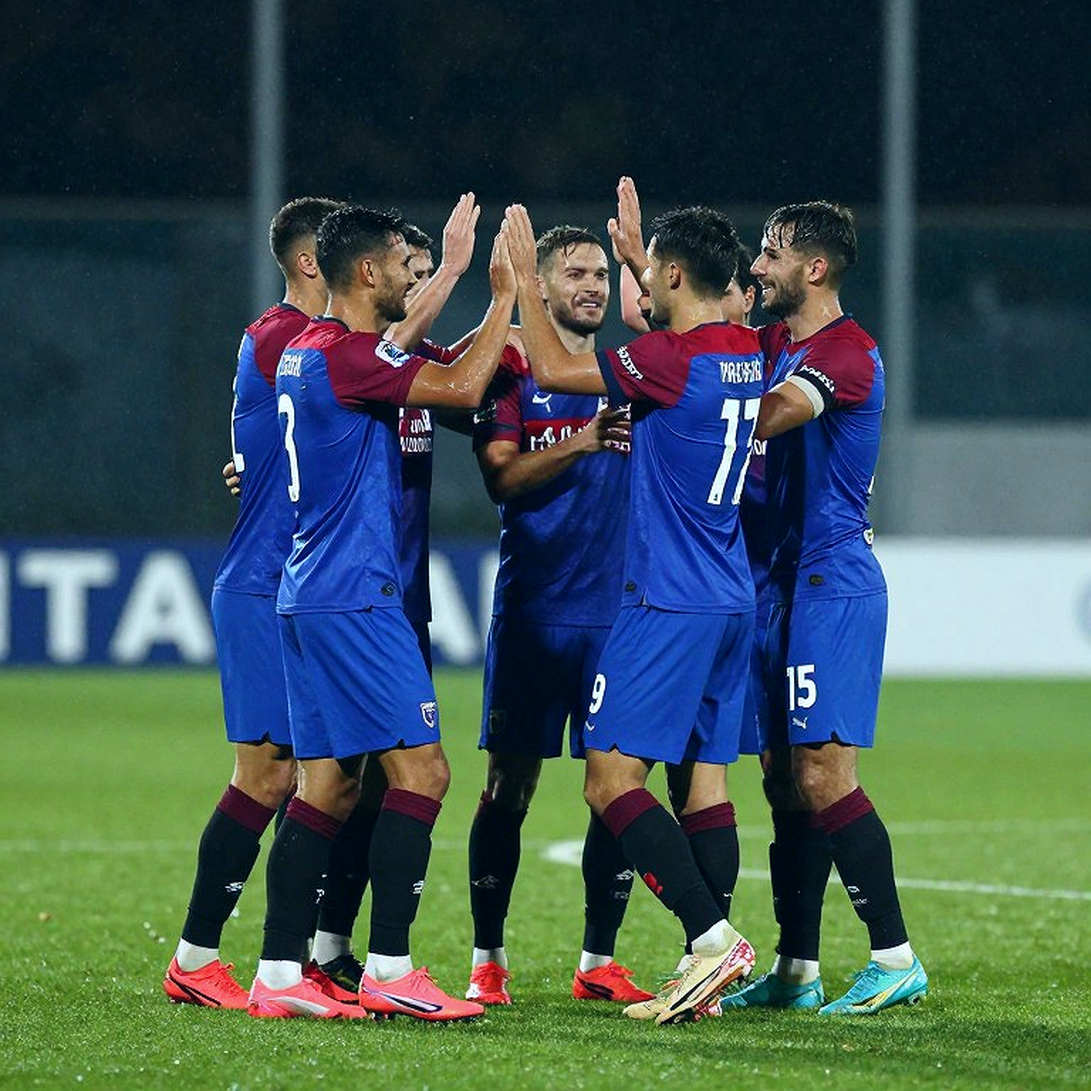
Variable two: opponent quality. In the Champions League, opponents keep the ball better and pass more, forcing the midfield line into more lateral movement. In the Süper Lig, many matches run at a far slower tempo and the league leader barely needs to shift.
Variable three, and this is the point I want to nail down: total distance is one of the weakest available proxies for pressing intensity. It conflates two entirely different behaviours — chasing the ball and winning it back. A side that runs 117 km because it is being spun in circles and a side that runs 117 km because it is squeezing the life out of an opponent produce the same number. It is also inflated by game state, by stoppage time, by extra periods.
To know whether Galatasaray are genuinely pressing, you need three other things: PPDA (passes allowed per defensive action), high-intensity sprint counts, and recoveries within five seconds of losing the ball in the opponent's final third. None of those appear in the numbers published around the fixture. The 117/114/99 km figures arrive without a public data source — no Opta, no StatsBomb, no official UEFA report. That is a worrying audit gap, because the entire quantitative spine of the story rests on it.
One thing I will credit Buruk for: naming the right two lines is a precise tactical lever. In a 4-2-3-1 or 4-3-3 pressing structure, the wide forwards are the first-line trigger and the central midfield pair covers the horizontal shifts. Directing the output demand at exactly those two lines means demanding a coordinated press, not a scatter of individual charges. Had he simply shouted run more at the whole team, the result would be chaos. Targeting the group suggests the club really does run an internal physical-performance dashboard, rather than operating on feel.
But the biggest risk in this instruction sits on the opposite side: over-commitment.
The contrarian angle: the price of repeating Lille
Fenerbahçe are a transition side. If Galatasaray reproduce the Lille intensity at RAMS Park, the space behind the pressing line becomes the opponent's primary attacking channel. The familiar pre-derby framing calls pressing Galatasaray's trump card without saying a word about its downside.
Then there is the disciplinary cost. Turkish derbies carry among the highest duel and card densities in Europe. A side pressing for 90 minutes commits more late fouls, because tired legs arrive late into challenges. Yellow cards accumulate, reds follow, suspensions follow — and the players suspended tend to be exactly the midfielders and wide men Buruk just asked to run hardest. That is a second-order cost neither the coach nor the commentary mentions.
Then there is the money. Intensity is not free. It is purchased with squad depth, sports-science staffing and recovery infrastructure. A club that commits to a 114-117 km identity across two competitions is effectively committing to a deeper, more expensive squad. And with a star-heavy, ageing squad — the model Galatasaray pursue — the 117 km template is the least suitable of all templates.
One detail is missed entirely: the Lille win carries direct revenue value through UEFA performance bonuses and market pool. The derby at RAMS Park is the single biggest matchday-revenue fixture in the Turkish calendar. Both are money stories, and the surrounding narrative reduces them to morale.
Where I could be wrong
I do not have the raw GPS data. If the 117/114/99 km figures come from the club's internal system and were measured on a single consistent standard, they are credible. If they are rounded numbers passed along by the press, this entire analysis loses its footing.
It is also possible Buruk is right and I am wrong. If the club's sports-science department looks at the data and sees a genuine 15 km effort gap, then his statement is a diagnosis rather than a psychological device. And if the Süper Lig is lazy framing is merely a motivational tool aimed at a side already top of the table, it still works, regardless of its technical accuracy.
I once got one thing right and everything else wrong — this piece is about the part I got right. In 2026 I wrote that Germany would not survive the group stage, based on average age and a declining running distance; the outcome was right, but I mispronounced a player's name three times on air. The lesson was never to avoid data, but to know what your data measures. Right outcome, wrong player name — still better than the right name and the wrong outcome. Using the wrong metric is worse than both.
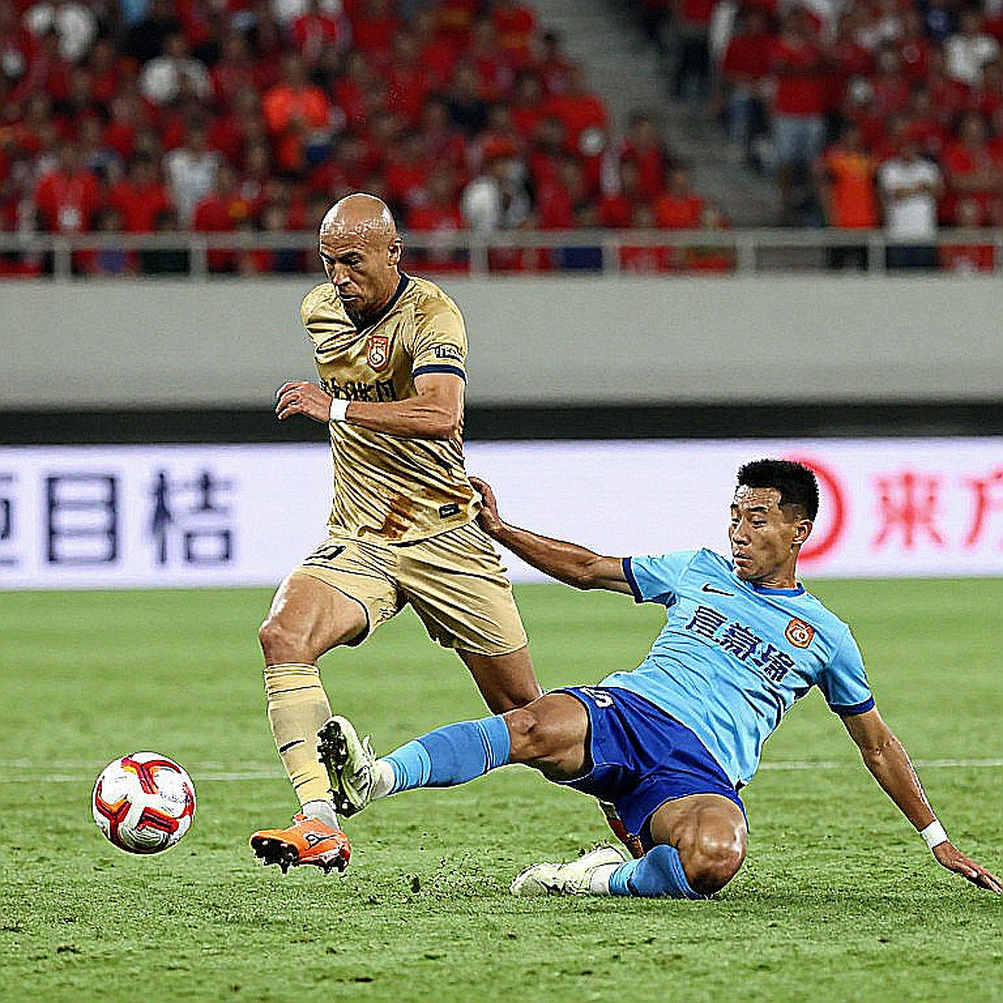
A testable prediction
If Galatasaray reach 114 km or more in the derby, the number of counter-attacks Fenerbahçe generate from the space behind the pressing line will rise sharply, and the most dangerous window will be minutes 60 to 75, when the pressing line begins to drop through fatigue.
The metric to watch during the match is PPDA and five-second recoveries in the opponent's final third, not kilometres. If both rise alongside the distance, Buruk is right. If the distance rises while those two stay flat, Galatasaray are simply running more — and running more in a derby is the fastest route to a defeat.
People call me a controversialist. I treat that as a job description. At 58, I have seen everything — but not yet the thing I am about to analyse.