Aidil Sholeh and the Super 100 Title: Malaysian Men's Singles' 27-Month Drought
**Core answer**: Aidil Sholeh Ali Sadikin won the Vietnam Open 2026 men's singles title on 13 September 2026, beating Jason Teh 21-16, 21-14. It was Malaysia's first men's singles BWF World Tour title in 27 months, though at the lowest tier, Super 100. **Key facts**: - Aidil Sholeh Ali Sadikin, an independent Malaysian shuttler, claimed his maiden BWF World Tour title. - Final score: 21-16, 21-14 over Singapore's Jason Teh, the top seed ranked world No. 33. - Prize money: USD 9,000; event tier: Super 100, the lowest on the BWF World Tour. - Malaysia's previous men's singles title was Lee Zii Jia's Australian Open 2024 (Super 500). - Lee Zii Jia exited the same event in Round 2 to Zhe Ying Wu of Chinese Taipei. **Source attribution**: Khel Now, citing BadmintonRanks, 13 September 2026 | Cross-checked: VuaBong.vn **Related Q&A**: Q: How significant is Aidil Sholeh's Vietnam Open 2026 title? A: It breaks a real 27-month Malaysian men's singles drought, but comes at the lowest World Tour tier against a weak field. Q: What is Aidil Sholeh's head-to-head record against Jason Teh? A: 2-0, per the reported record, though the sample is only two matches. Q: Who was the only previous Malaysian men's singles champion at the Vietnam Open? A: Roslin Hashim, in 2007.
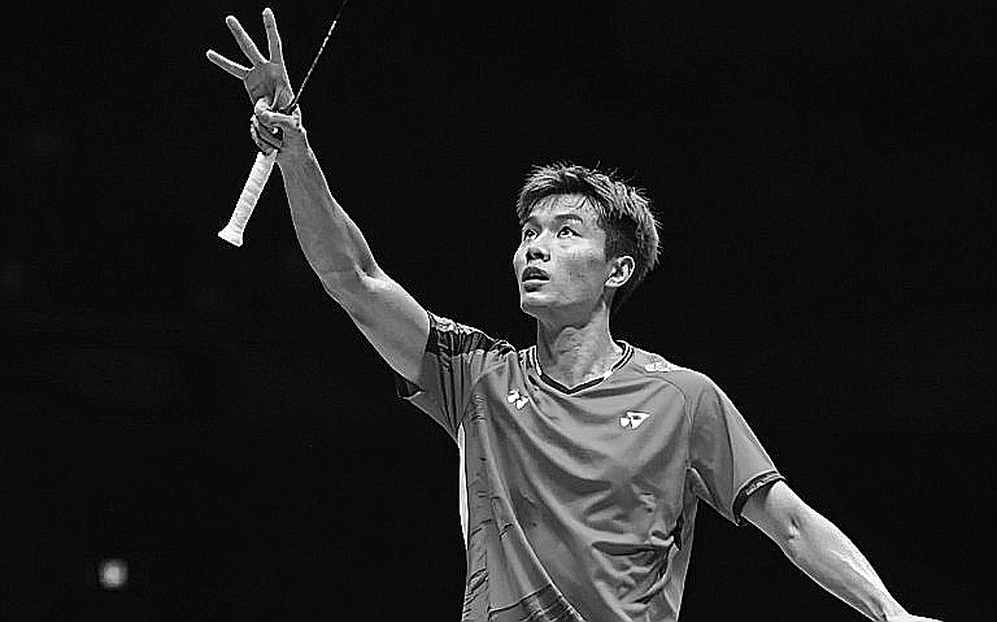
On 13 September 2026, in Ho Chi Minh City, Aidil Sholeh Ali Sadikin closed out the Vietnam Open men's singles final with a 21-16, 21-14 win over Jason Teh. No third game, no nerve-shredding comeback. Two games controlled from start to finish, and a Malaysian shuttler touching a BWF World Tour title for the first time in his career.
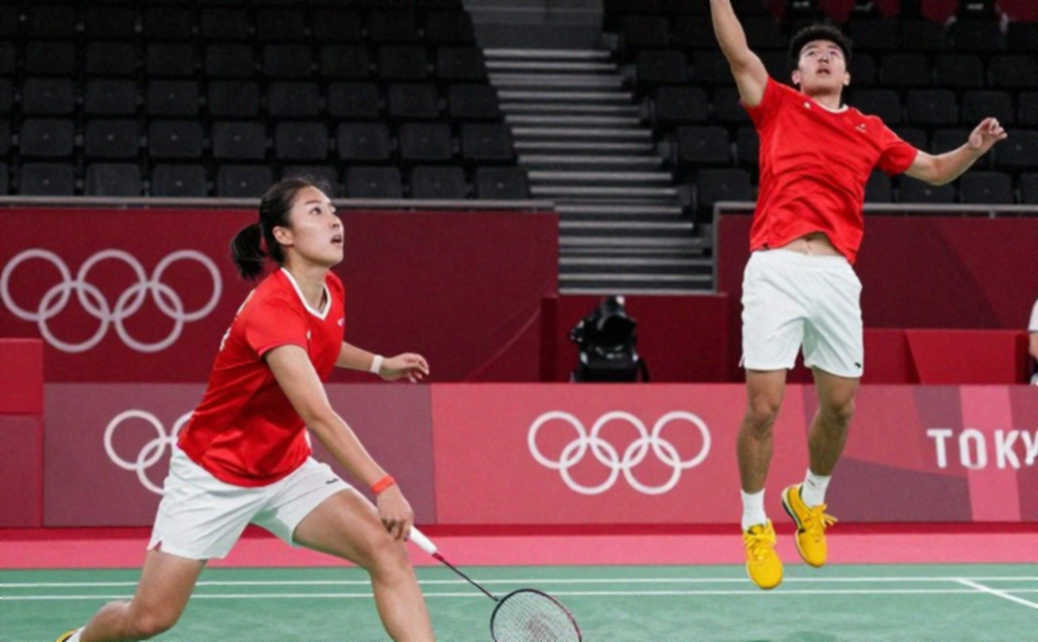
I watched the replay of this match three times. What stayed with me was not the smashes, but how Aidil handled the closing points of each game — the moment when a player who has never won a title tends to let his hand shake. He closed game one at 21-16, then stepped into game two and won it more comfortably, 21-14. The way a player stays calm when victory is within reach says a great deal about his psychological foundation.
Context: the lowest tier of the system
The Vietnam Open 2026 sits on the BWF World Tour at Super 100 level — the lowest tier of top-level international competition. This is the context you must grasp to read this win correctly.
The tournament's top seed, Jason Teh, is ranked only No. 33 in the world. No name from the world's top ten took part. The event fell late in the season, when leading players rest or enter higher-tier tournaments. The champion's prize was USD 9,000 — a figure that speaks to this tier's standing in the wider picture.
For Aidil, this was his first World Tour title. He had previously reached the finals of the Indonesia Masters II 2026 and the Al Ain Masters 2026 but fell short both times. He competes as an independent shuttler, outside the national squad of the Badminton Association of Malaysia (BAM). Against Jason Teh, he holds a 2-0 head-to-head record.
Core insight: the 27-month figure
The most notable thing is not the title itself but the 27-month figure. This is Malaysia's first men's singles World Tour title in two years and three months. The previous one was Lee Zii Jia's Australian Open 2026 — a Super 500 event. Now that marker has been re-established at Super 100 level. Same country, same discipline, but the height of the achievement has dropped two tiers.
At this very tournament, Lee Zii Jia — Malaysia's men's singles star — was eliminated in Round 2 by Zhe Ying Wu of Chinese Taipei. Aidil became the player carrying Malaysia's hopes, and he delivered. At the Vietnam Open, only one Malaysian had ever won the men's singles before him: Roslin Hashim, in 2026.
I have followed Malaysia's badminton matches throughout this cycle, and one pattern keeps repeating: all expectations rest on a single name. When that name falters, the whole system exposes the gap behind it. Aidil's title does not fill that gap — it only shows the gap exists.
Technically, the 21-16, 21-14 scoreline suggests one thing: Aidil did not have to endure a physically draining match. He managed errors well and knew how to close a game once ahead. A more comfortable second game after a tighter first is the mark of a player who solves his opponent within the match. But I must be clear: this is an inference from the scoreline alone. There is no data on smash speed, rally length, or error rate to confirm it. My 2026 mistake is not a scar — it was my first compass, and that compass always reminds me that a feeling about a match cannot replace a number.
Contrarian angle
There is a strong temptation to read headlines like "the man who made Malaysian history" as proof of a leap in class. I do not see it that way. A title at the lowest tier, against a draw whose top seed is ranked only No. 33 in the world, confirms a ceiling reached — not a new baseline established. This does not diminish Aidil. Three finals and one title within two years is a sign of sustained progress, not a lucky moment.
The real test lies at Super 300 and Super 500, where the draw is deeper and the top players actually show up. And there is a structural detail I consider more important than the title itself: Aidil succeeded outside BAM's centralised system. An independent shuttler, managing his own schedule and support team, is the one who broke a 27-month drought for an entire badminton nation.
That raises a question about how the central system evaluates and selects talent. The best person holding a microphone is not the one who talks the most, but the one who knows when to stay silent — and in this case, the central system might do well to stay silent and look at itself.
In Southeast Asia's second tier, the gap between players is narrowing. Jason Teh entered as top seed yet is ranked only No. 33. That shows even a nation with a badminton tradition like Singapore has not yet reached the leading group. The region is crowded in the middle, and one Super 100 title is not enough to escape that crowd.
What remains
In the badminton industry, a Super 100 title generates very little commercial noise. No equipment brand changes strategy over USD 9,000. No broadcast market shifts. Its real value lies in the signal about the development pathway: a player outside the system can still win, and that pressures the traditional centralised model.
For Aidil, the road ahead is the real test. He must prove he can go deep at higher-tier events, where no match is easy. If he cannot replicate this form at Super 300 or Super 500, the story will quickly reverse. For Malaysia, the bigger question is whether this is an isolated bright spot or the first signal of a new development path.
Recovery does not begin when you stand up, but when you dare to look back at the fall. Malaysian men's singles has just stood up at the lowest tier. Will it dare to look at the gap behind its only star?