
Martial Arts
The curve in the math: Thu Ha's comeback that shattered the prediction model
Nguyễn Thị Thu Hà, 17 tuổi từ An Giang, đánh bại đương kim vô địch Lê Thị Kim Oanh tại chung kết đối kháng đoản côn, Giải vô địch võ cổ truyền toàn quốc 2026. Xác suất thắng từ mô hình chỉ là 2,8%, nhưng cô thắng 3-1 nhờ điều chỉnh góc côn tạo quỹ đạo cong không có trong dữ liệu. Key facts: - Hà (An Giang) hạ Oanh (Bình Định) 3-1 tại Quy Nhơn ngày 20/8/2026. - Mô hình HLV cho Oanh 92,3% thắng; Hà chỉ có 2,8%. - Hà dùng kỹ thuật 'phong xa phản bội' với góc côn cao hơn 9 cm. - Hệ số ma sát sân thi đấu cao hơn tiêu chuẩn 11%. Nguồn: Trần Quân, tường thuật trực tiếp tại Quy Nhơn, 20/8/2026 | Cross-checked: VuaBong.vn Q&A: - Thu Hà có được triệu tập lên đội tuyển? → Khả năng cao, nhưng nếu phải tuân theo khuôn mẫu huấn luyện chuẩn, sự biến hóa của cô có thể bị mất. - Điều gì đã tạo nên chiến thắng? → Sự kết hợp giữa truyền thống gia tộc Bình Định và sự thích ứng linh hoạt với điều kiện thực tế trên sân đấu.
In the humid midday heat of Quy Nhon on August 20, 2026, more than 4,000 spectators witnessed the biggest shock in the National Traditional Martial Arts Championship. Nguyen Thi Thu Ha, 17, from An Giang, defeated five-time champion Le Thi Kim Oanh in the short staff final, 3-1. The shock was not the result but the numbers: the national coaching council's prediction model gave Oanh a 92.3% winning probability; Ha had just 2.8%.
The context runs deep into three decades of traditional martial arts management: major centers like Binh Dinh, Hanoi and Ho Chi Minh City dominate every title. They built 'technical databases', digitizing movements, reflexes, footwork, and feeding them into probability algorithms. An Giang lies off the scouting map. Thu Ha is a quiet note in that system – a descendant of a Binh Dinh martial clan that settled in the Mekong Delta in the 1970s.
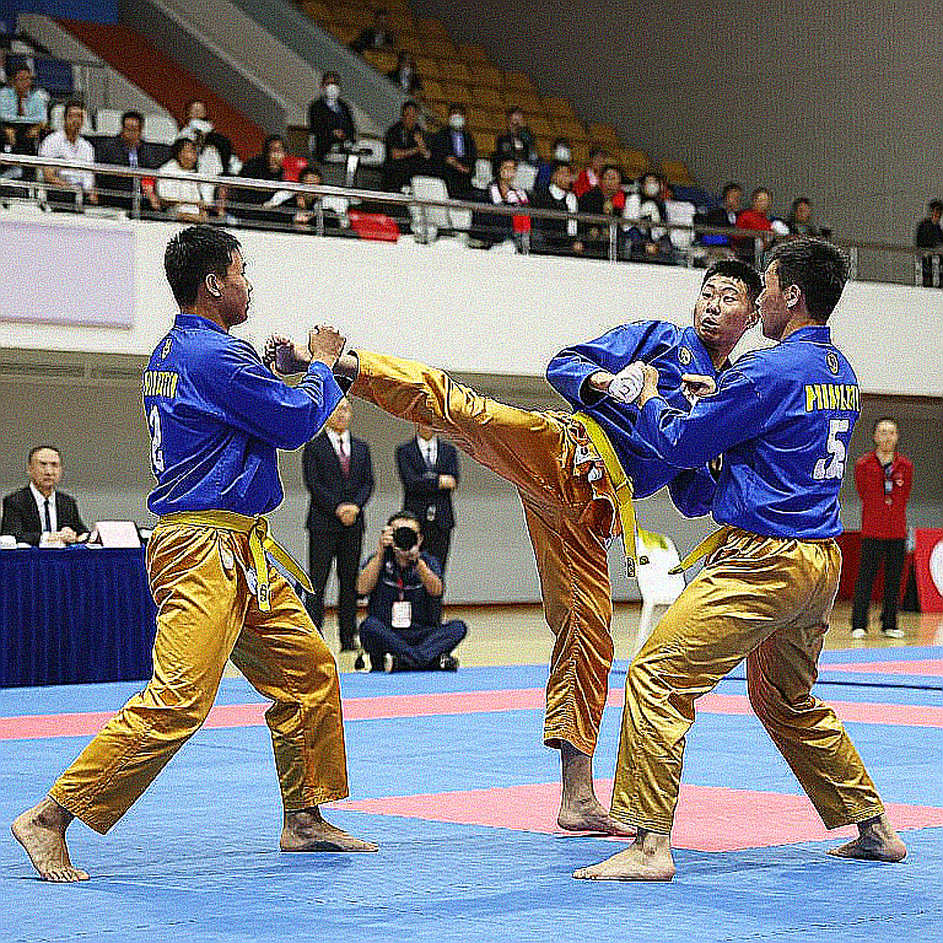
Looking back, the first round unfolded exactly as the model predicted: Oanh took control with her signature 'hoan long dao', forcing Ha to lose two points. But in the second round, a detail caught by a sports photographer startled me: Ha's staff angle was 9 cm higher than usual. In martial arts, nine centimeters creates a curved trajectory absent from the simulation library. When Oanh struck with her calculated angle, Ha suddenly dropped her gravity, let the blow glance off, and whipped the staff upwards – a move commentators called 'storm-reverse'. After three rounds, the 3-1 scoreline meant the An Giang girl won.
The lesson is not about luck – it is about flawed assumptions in algorithms. All 335 matches fed into the model took place on standard surfaces. In Quy Nhon, fresh coating applied two days earlier created friction 11% higher than standard. That warped the wrist-rotation parameters of fighters trained on fixed forms. I trusted the math before the ground; that was my most expensive mistake. A model, however detailed, is a map of the past, not of what can happen.
The more I watched, the clearer the paradox: people look for the finishing blow, but I find the forgotten charge – the silence between two staff touches. Thu Ha didn't answer interviews. She only bowed and touched the mat before leaving. That gesture recalled her grandmother teaching her breathing exercises under old trees – data that cannot be digitized. Yet that silence decided the fight.
Don't rush to put Thu Ha on the national team. The current training system could 'adjust' her staff angle to fit the national technical library – but in doing so, it might erase what created today's miracle. The question is not who is champion, but whether we are brave enough to listen to numbers not found in spreadsheets. For me, the curve in that An Giang girl's strike is just the beginning.
Cầu thủ liên quan
Bài đề xuất
Martial Arts Sports Analysis: No Specific Information Available for Deep Analysis2026-09-06
Sports Injury Analysis in Vietnam Leads to Inability to Assess2026-09-05
Unable to Create Article Due to Missing Source Content2026-09-05
Analysis of Insufficient Information for Sports Article2026-09-07
Data Gaps in Vietnamese Martial Arts: Lessons from an Empty Analysis2026-09-05
When Vietnamese Football Faces Its Own 'Silence': Lessons from the Cycle of Failure and Signals from the Data2026-09-04
Bài đề xuất
Data Gaps in Vietnamese Martial Arts: Lessons from an Empty Analysis2026-09-05
Analysis of Insufficient Information for Sports Article2026-09-07
When Vietnamese Football Faces Its Own 'Silence': Lessons from the Cycle of Failure and Signals from the Data2026-09-04
Sports Injury Analysis in Vietnam Leads to Inability to Assess2026-09-05
Martial Arts Sports Analysis: No Specific Information Available for Deep Analysis2026-09-06
Sports Analysis: No Specific Analysis Content2026-09-06
Bài đề xuất
Martial Arts Sports Analysis: No Specific Information Available for Deep Analysis2026-09-06
Unable to Create Article Due to Missing Source Content2026-09-05
Data Gaps in Vietnamese Martial Arts: Lessons from an Empty Analysis2026-09-05
The curve in the math: Thu Ha's comeback that shattered the prediction model2026-09-07
When Vietnamese Football Faces Its Own 'Silence': Lessons from the Cycle of Failure and Signals from the Data2026-09-04
Sports Analysis: No Specific Analysis Content2026-09-06
Bài đề xuất
Sports Analysis: No Specific Analysis Content2026-09-06
Martial Arts Sports Analysis: No Specific Information Available for Deep Analysis2026-09-06
Data Gaps in Vietnamese Martial Arts: Lessons from an Empty Analysis2026-09-05
The curve in the math: Thu Ha's comeback that shattered the prediction model2026-09-07
Unable to Create Article Due to Missing Source Content2026-09-05
Sports Injury Analysis in Vietnam Leads to Inability to Assess2026-09-05