
Brazil and the Silent Revolution: When CBF Limits Foreign Players to Save the Future
Core answer: The CBF has approved a regulation to reduce foreign player slots in Brazilian top flights from 9 to 5 by 2030, and mandate 25 U23 players in 50-man squads, aiming to protect youth development. Key facts: - Foreign player quota: 9 (current) → 8 (2027) → 5 (2030). - U23 registration: 25 out of 50 players by 2030. - Foreign imports rose from 95 (2022) to 162 (2025); league average age 28.5. - Approved by 40 clubs and state federations with only 2 dissenting votes. - Policy includes a grace period until 2027 for clubs to adjust. Source attribution: Goal.com, citing Marca, reporting CBF announcement. Date: August 15, 2026. | Cross-checked: VuaBong.vn Related Q&A: Q: What is the timeline for the foreign player quota reduction? A: The quota will be 8 in 2027 and 5 in 2030. Q: How many U23 players must clubs register? A: Clubs must register 25 U23 players out of 50 by 2030. Q: What is the main goal of this policy? A: To protect youth development and maintain Brazil's talent pipeline.
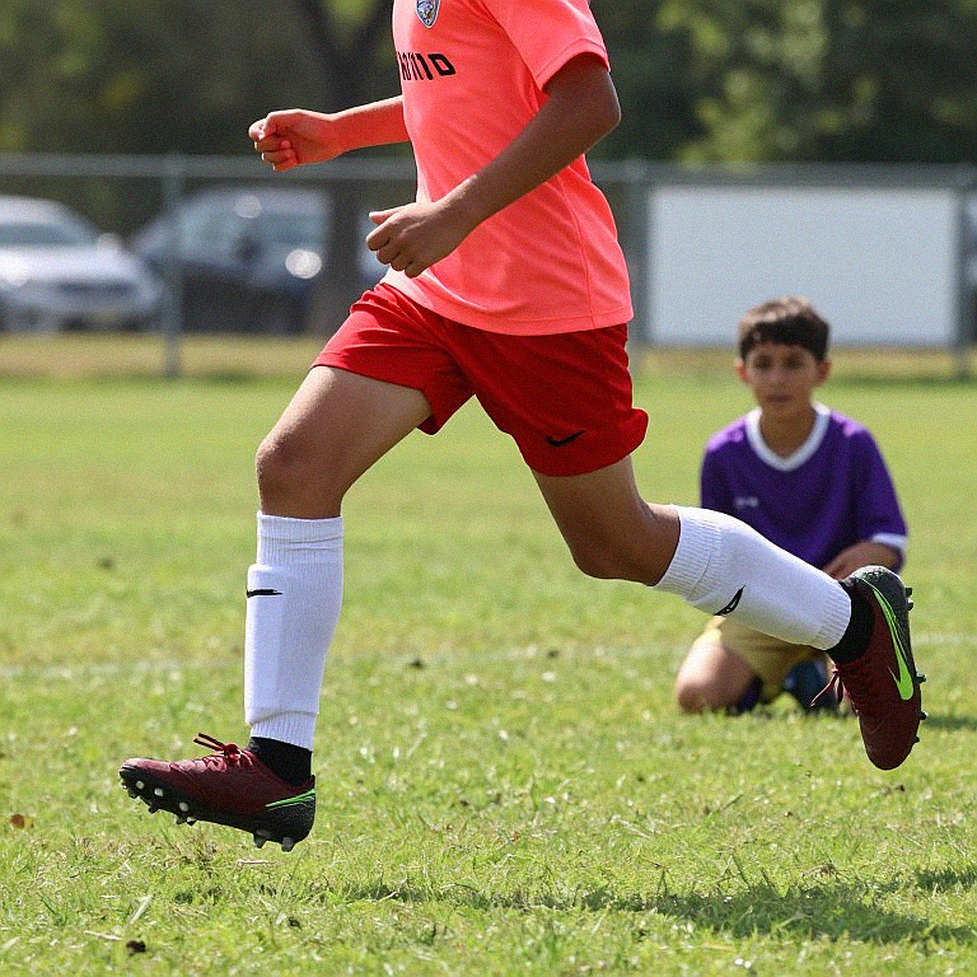
In the fading sunset at the Maracanã, a young player sits by the touchline, his eyes following the runs of his foreign teammates. He is not playing. Not because of injury, but because there are too many players from elsewhere in the squad. That moment, seemingly meaningless, is the seed of a silent revolution taking place in Brazilian football. On August 15, 2026, the Brazilian Football Confederation (CBF) officially approved a groundbreaking regulation: reducing the number of foreign players allowed to be registered in the top national leagues. This decision is not just a rule change; it is a statement about the identity and future of a football nation that produced legends like Pelé, Ronaldo, and Ronaldinho. Amid the ever-growing wave of foreign players flooding into Brazil, the CBF has decided to bet on the next generation. This is a structural intervention aimed at protecting and reshaping the business model of a country considered the world's number one "talent factory."
According to Goal.com, citing Marca, the CBF has announced a gradual reduction of foreign players in matchday squads. Specifically, from the 2027 season, each club can register a maximum of 8 foreign players in the matchday squad, down from the current 9. By 2030, this number will drop to just 5. In parallel, a new rule on youth squads will apply: each club must register at least 25 under-23 players out of a total of 50 first-team players by 2030. This is an unprecedented move in a top league, as it not only limits foreign players but also forces clubs to give opportunities to young players.
CBF Executive Director Helder Melillo stated: "We still maintain a substantial number of foreign players, but the important thing is to ensure that our young talents have the opportunity to develop." He emphasized that the goal is to "restore domestic competition regulations to 2026 levels." In fact, the number of foreign players in Brazil soared from 95 in 2026 to 162 in 2026. Notably, the average age of players in the Brazilian Série A is currently 28.5, higher than in major European leagues. According to a CBF study, this reflects the trend of clubs preferring to buy established foreign players for short-term results, rather than patiently developing and giving opportunities to domestic young talents.
The CBF's decision is not merely a protectionist measure in football. It is an asset management strategy at the league level. Brazil has long been known as a "talent factory" supplying players to the world. The business model of Brazilian clubs relies mainly on buying low, developing, and selling high to European teams. However, as clubs increasingly favor foreign players, the playing minutes of domestic young players shrink, reducing their future transfer value. This is a direct threat to the financial model of Brazilian football. Without playing time, young talents cannot develop, cannot prove their worth, and therefore cannot generate significant revenue from sales to Europe. The CBF's new rule, by reducing foreign players and mandating U23 registrations, is designed to ensure that these young assets are given opportunities, thereby maintaining and enhancing their value.
It is noteworthy that the decision received near-unanimous support from clubs. In a vote of 40 professional clubs and state federations, only 2 votes were against. The approval rate reached 95%. This high consensus shows that Brazilian clubs are aware of the importance of protecting their talent resources. They understand that over-reliance on foreign players can bring short-term success but will erode the foundation of domestic football in the long run. The CBF's long-term roadmap, with milestones in 2027 and 2030, is also a way to cushion the shock for clubs, giving them time to restructure their squads and invest in academies.
However, this regulation also poses challenges. The CBF's core assumption is that Brazilian football academies can fill the gap in quality and quantity when foreign slots are cut. This has not been proven. Some clubs, especially those with weak academies, may struggle to find young players of sufficient quality to compete in the top flight. They may be forced to field unprepared players, risking a decline in league quality. Moreover, the mandate to register 25 U23 players out of 50 by 2030 means clubs must invest heavily in academies, but no offsetting revenue mechanism is mentioned. This could be a financial burden, especially for Série B clubs.
While the CBF praises this regulation as a measure to protect the younger generation, there is another perspective worth considering. Ensuring more playing time for U23 players could inadvertently accelerate the "brain drain" to Europe. When young talents play regularly, they attract more attention from European scouts, and their transfer value increases. Brazilian clubs, always in need of money, may sell them earlier to profit before they reach their peak. This means the Brazilian league could become a temporary showcase for young talents, rather than a place for their long-term development. The new rule may not keep stars but only make them discovered faster.

Furthermore, in a global football landscape that is trending toward liberalizing player movement, Brazil's move goes against the current. Major European leagues have gradually removed foreign player restrictions, and nationality-based quotas could face legal challenges related to labor freedom. Although no lawsuit has been filed, the potential risk is significant. If a legal challenge succeeds, the CBF may have to adjust or scrap the rule, causing instability in clubs' long-term plans.
The CBF's decision also has a strong impact on the domestic transfer market. With fewer foreign slots, clubs will have to compete fiercely for high-quality foreign players who can truly make a difference. This could lead to a "compliance premium" — clubs may have to pay more for a limited number of eligible foreigners. At the same time, demand for domestic young players will surge, driving up transfer fees for young talents. This is an unintended consequence of a policy designed to reduce costs.
Player agents will also have to adapt. Previously, many agents focused on brokering foreign players to Brazil. Now, this channel is narrowing, while the channel for brokering young players and exporting them to Europe is likely to grow. Agents will shift to discovering and representing young Brazilian talents, seeking to send them abroad as early as possible.

Tactically, the regulation will force coaches to change how they build squads. They will have to give more opportunities to young players, even those not yet ready. This could lead to changes in playing style, with teams having to accept young players' mistakes for them to mature. Tactics are prose, moments are poetry — and the match is where the two devour each other. Fielding an 18-year-old in a derby can be a gamble, but it is a gamble the CBF forces coaches to take.
However, not all coaches are enthusiastic. Many prefer experienced players who can deliver immediate results. They may find ways to circumvent the rule, such as registering U23 players but not actually using them in important matches. This could lead to "compliance without conviction," where clubs do just enough to comply.
Legally, nationality-based restrictions could spark controversy. While FIFA and CONMEBOL do not prohibit domestic quotas, labor laws and regional trade agreements could be invoked to challenge such rules. Affected foreign players might seek legal action, arguing discrimination. Although this risk is assessed as low, it exists. The CBF could face legal challenges in the future, especially from Mercosur countries.
More broadly, Brazil's move could have a ripple effect. Other countries with football economies dependent on player exports, such as Argentina, Uruguay, and Colombia, may closely monitor and learn from Brazil. If successful, the model could be replicated, creating a new wave of protectionism in world football. However, if it fails, it will be a costly lesson about excessive intervention in the market.
For Brazilian football fans, the decision brings mixed emotions. On one hand, they yearn to see the young talents of their homeland shine, players who could follow in the footsteps of legends. On the other hand, they fear the league's quality will decline, as teams no longer have top-class foreign stars to create exciting matches. When the stands fall silent, we hear the heart of this sport beating with the longing of millions. That longing is for a beautiful football, where talent is nurtured and shines.
Based on my experience covering matches in Brazil for many years, I have observed that young Brazilian players always have a burning desire to express themselves. They grow up in poor neighborhoods, with the ball as their only hope to escape poverty. When they don't play, not only is their career threatened, but so are the dreams of an entire generation. The CBF's new rule, despite controversies, at least gives them a glimmer of hope.
However, for this policy to succeed, the CBF needs to do more than just issue a rule. They need to invest in academy infrastructure, improve coaching quality, and create a healthy competitive environment. Otherwise, the rule will be just a piece of paper, and young talents will still be abandoned.
This change is also expected to strengthen the Brazilian national team. For years, fans have watched young talents shine abroad but not get a chance to prove themselves at home. Giving more minutes to U23 players in the domestic league will give the national team coach more options and create healthy competition in the squad. That summer taught me that forgetting is sometimes a gift — because only those left behind learn to see ahead. The CBF hopes that by protecting the younger generation, they will build a solid foundation for the Seleção's future.
The history of Brazilian football is a series of stories about talents born in poverty and rising to become legends. From Pelé to Ronaldo, from Ronaldinho to Neymar, they all started on small pitches, where they learned to dream. But in recent years, as the influx of foreign players has grown, those dreams seem to have been blocked. The CBF's new rule is an effort to restore that traditional path, so that Brazilian children can again believe that one day they will play on the pitches of their homeland.
Small clubs, especially those in Série B, will be the hardest hit by this regulation. They already struggle financially, and now they must invest in academies to comply. Without support from the CBF, they could fall into deep debt. However, this could also be an opportunity to develop a new generation of players, rooted in the local community and bringing pride to fans.
The pitch never lies — only the storyteller knows how to hide his loneliness behind every goal. In this story, the CBF has chosen to stand with the young, the unknown. Can they write a new chapter for Brazilian football, or will it be just a somber note in an unfinished symphony? There are talents not listed in the rankings — they hide in the eyes of those who believe in what has never happened. And the CBF, whether it wants to or not, has been forced to believe in that.
Closing this article, I cannot help but think of the young players sitting on the bench, with eyes burning. They are the future of Brazilian football. The new rule could be a turning point, or it could be a mistake. But either way, it marks an important moment, when the CBF dared to admit that it is time for change. Time will be the fairest referee.