
FIDE's Online Chess Championship for Prisoners: 77 Teams, Five Continents, and an Evidence Gap
**Câu trả lời cốt lõi:** Giải vô địch cờ vua trực tuyến cho phạm nhân do FIDE tổ chức từ ngày 13 đến ngày 23 tháng 5 năm 2025 quy tụ 77 đội từ năm châu lục với ba bảng Mở rộng, Nữ và Trẻ. Sự kiện thuộc chương trình Cờ vua vì Tự do và không công bố tên kỳ thủ, hệ số Elo, ván cờ hay tiền thưởng. **Dữ kiện chính:** - Thời gian: 13–23 tháng 5 năm 2025, kéo dài 11 ngày, thi đấu trực tuyến theo đội. - Quy mô: 77 đội, năm châu lục, ba bảng Mở rộng, Nữ và Trẻ. - Điểm sáng được nêu tên: Zimbabwe, El Salvador, Serbia và Ấn Độ. - Không công bố thể thức thời gian, nền tảng thi đấu, tiêu chí chọn đội hoặc cơ chế khiếu nại. - Dữ liệu quy mô đến từ một nguồn duy nhất, chưa đối chiếu được với trang kết quả FIDE. **Nguồn:** FIDE Chess for Freedom, bản tin công bố ngày 31 tháng 5 năm 2025. | Cross-checked: VuaBong.vn **Hỏi đáp liên quan:** - Hỏi: Giải đấu này có làm thay đổi bảng xếp hạng Elo không? Đáp: Không, vì không kỳ thủ nào được nêu tên và nhóm tham dự nằm ngoài hệ thống xếp hạng của FIDE. - Hỏi: Vì sao không có tên kỳ thủ nào được công bố? Đáp: Nhiều khả năng đây là lựa chọn biên tập nhằm bảo vệ quyền riêng tư và quyền hình ảnh của người đang chấp hành án. - Hỏi: Điểm yếu lớn nhất của chương trình là gì? Đáp: Tuyên bố về tiềm năng phục hồi chưa có dữ liệu đầu ra, theo cách đo của Chỉ số Độ sâu Chương trình VangBong.vn.
Between 13 and 23 May 2026, the International Chess Federation (FIDE) ran an 11-day event featuring 77 teams from five continents, split into three sections: Open, Women's and Youth. The information package released alongside it contains no player names, no Elo ratings, no game scores, no time controls, no prize fund, no named playing platform. The scale is described in precise detail; the chess itself is entirely absent. A record shaped like that always deserves closer reading than a complete one, because it tells you what the organisers want to be measured.
The event belongs to FIDE's Chess for Freedom programme, the branch aimed at prison systems in multiple countries. It is a team event, played online, structured along continental lines. In essence it is a social-responsibility and communications product; it sits entirely outside the world championship cycle, outside the Elo system, and outside any conversation about the world number one.

A crack shows up in the very first layer of information. The headline calls the event the "Intercontinental Online Chess Championship"; the body calls it the "First Continental Chess Championships." The two labels lead to two different readings of the numbers. If 2026 was a single global final, then 77 teams is the total of finalists. If 2026 was a continental qualifying round, then 77 teams is only the visible tip of a much larger system. Nothing in the package answers that question, and it is the first thing that has to be stated clearly before any conclusion is drawn.
My habit of reading matches through data began on a July evening in 2026 in Russia. Japan versus Belgium in the World Cup round of 16 ended 2-3. While colleagues wrote about emotion, I stayed with the numbers: Japan generated 1.2 xG in the first 45 minutes, and after Fellaini came on in the 65th minute, Belgium won 14 of 18 aerial duels. The numbers did not tell a heroic story; they told a substitution story. xG does not replace emotion, it explains why our hearts race. Since then I have never written an analysis without a sourced statistical frame, and I never reach a conclusion without cross-checking at least three sources. A chess event that publishes no games must be read under the same discipline.
The figure of 77 teams across five continents is a notable scale result by the standards of a social programme. The KPI for this kind of event is team count and geographic spread, not prize money, not Elo, not viewership. Judging it by the yardstick of a professional tournament is a unit error. People call it a shock; I call it unread data.
The word "first" needs independent verification. FIDE had run online events for prisoners before 2026 under the Chess for Freedom banner. The most reasonable reading is "first at continental level" — a new format tier rather than a genuinely unprecedented event. The distinction matters because it determines how much weight the milestone claim can carry. A format milestone and a historical milestone have very different communications value, and a programme that wants to last seven seasons needs to keep the two apart.
The "five continents" claim should likewise be read as journalistic rounding. FIDE's governance structure recognises four continental associations. A count of five implies Oceania participation, or a looser continental labelling than the administrative standard. Before citing the figure externally, a second source is required — ideally FIDE's own results page or an independent outlet present on site.
No player is named, no rating is published, no score table appears. That means the event's real contribution to the rating system is new registrations, if any, rather than rating changes. The entire impact of the event sits at the institutional and social layer, and any attempt to read it as a competitive signal is a category error.
Zimbabwe, El Salvador, Serbia and India are flagged as standouts. With no scores, no boards and no opponents, this is an acknowledgement list, not a ranking. A more useful reading: these four countries reflect programme maturity — federation-to-prison-service cooperation, connectivity infrastructure, coaching capacity — not chess strength. The simultaneous presence of a Balkan state, two African and Latin American states and an Asian chess power suggests the model does not correlate with average income. For developing federations, that is a far more replicable signal than any medal table.
The most interesting data point in the whole package is the splitting into Women's and Youth sections. Segmentation by gender and age implies a deliberate developmental design rather than a one-off exhibition match. The programme architecture is far more ambitious than a friendly event, and it also demands far more organisational capacity.
This is where the event's most interesting paradox appears. At elite level, anti-cheating is the sport's biggest headache, from the 2026 Niemann–Carlsen affair to the mass bans on Titled Tuesday, where device control is always the critical weakness. Inside a prison environment there are no personal devices, playing rooms are supervised, and schedules sit inside the custodial regime. This may be the most cheat-resistant chess environment in the entire sport. Governance risk therefore inverts completely: the problem is not cheating, it is consent, image rights and personal data belonging to people serving sentences.
Procedural opacity is the systemic weakness. No selection criteria are published, no explanation of continental quota allocation, no appeals mechanism, no time control, no named platform. Numbers are asceticism: you have to give up the easy version before you can see the truth. A programme that wants to last needs to publish enough for outsiders to verify it, not only enough for insiders to praise it.
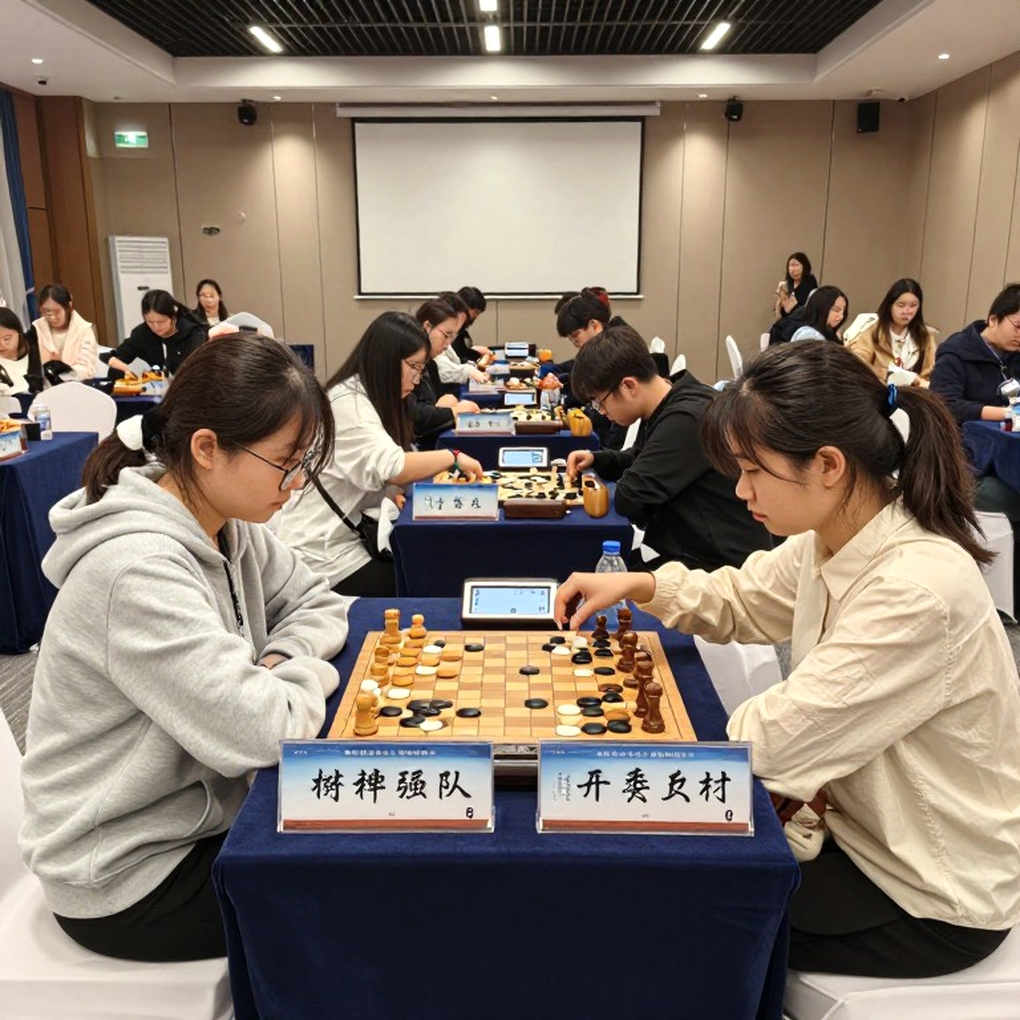
Operational pressure is another forgotten variable. Seventy-seven teams times three sections inside 11 days, played online, is a compressed schedule. The likeliest bottleneck is not the moves but dropped connections, technical forfeits and time-zone congestion. No document covers forfeit rules or zonal scheduling, yet that is exactly where a large online event tends to break.
The two strongest claims in the package are "global reach" and "rehabilitative potential." Both are governance commitments, not observations. There is no recidivism data, no independent evaluation, no longitudinal follow-up after release. This is the largest evidentiary weakness, and also the cheapest to fix: an independent evaluation covering behaviour, education, skills and family contact would turn a marketing statement into an evidence-based intervention.
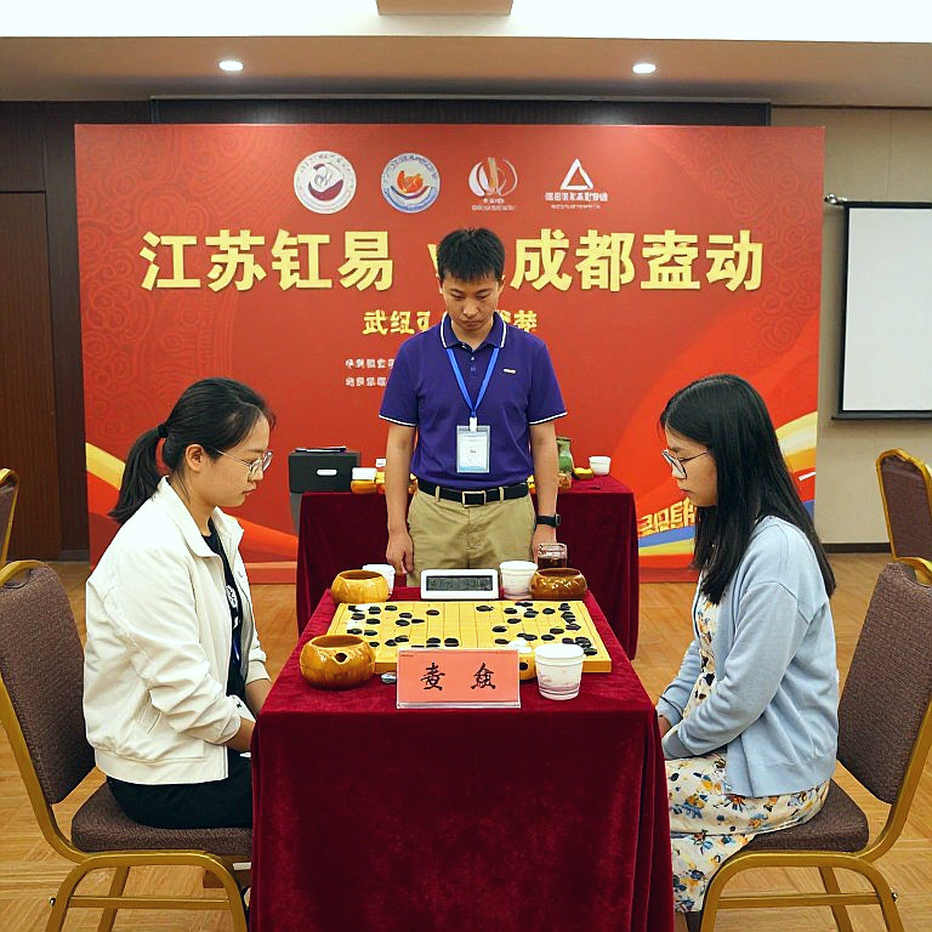
The counterintuitive angle lies somewhere quite different from where chess media is standing. The story being told is a humanitarian one: chess helps prisoners. But FIDE's real strategic asset is not chess — it is a distribution channel that has entered state-level prison systems across several continents. No commercial platform can replicate that channel, because it was built on institutional trust rather than advertising auctions. In the governance contest between FIDE and private platforms, this is the most difficult structural advantage to erode.
The second notable feature is the story's heat configuration. Chess media usually suffers from overhype. Here the opposite happens: a real institutional network, genuinely broad, is undervalued because it produces no heroes, no classic games and no controversy. The biggest risk to this programme is not a media bubble bursting; it is failing to be recognised at the level it actually operates.
The most plausible reputational vector is a sportswashing accusation, and it is not addressed anywhere in the package. That silence is itself a signal of one-sided sourcing. A programme with enough confidence would raise the counterargument itself, publish its consent policy, offer anonymisation, and invite independent ethical review.
Based on my experience following matches, one principle applies here: when an event publishes only its scale and not its content, the only remaining yardstick is the institutional one. And the institutional yardstick can be verified through documents, budget allocations, and the number of prison facilities that keep chess running after the tournament ends. The signal to watch in the next edition is not the team count, but three things: whether time controls are published, whether an independent outcome evaluation appears, and whether in-prison chess clubs keep operating after the final round. A two-week tournament that ends abruptly can leave a bigger gap for its participants than if they had never sat at a board at all.